
Cost of Tree Canopy Thinning in Stuart, FL
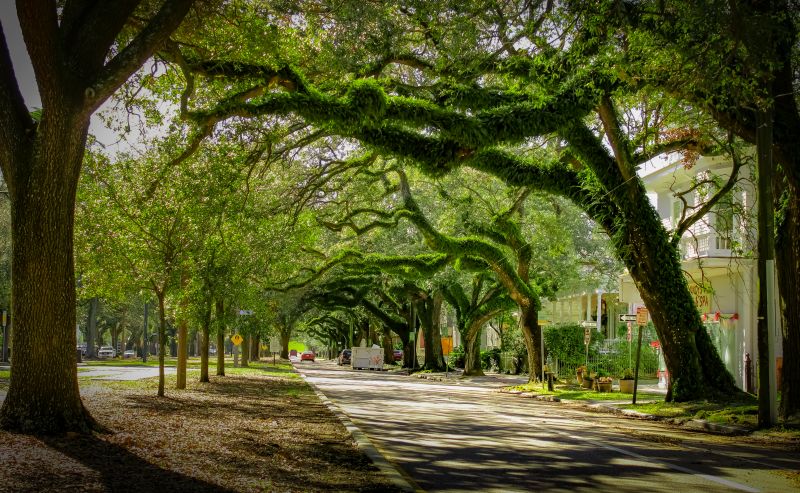
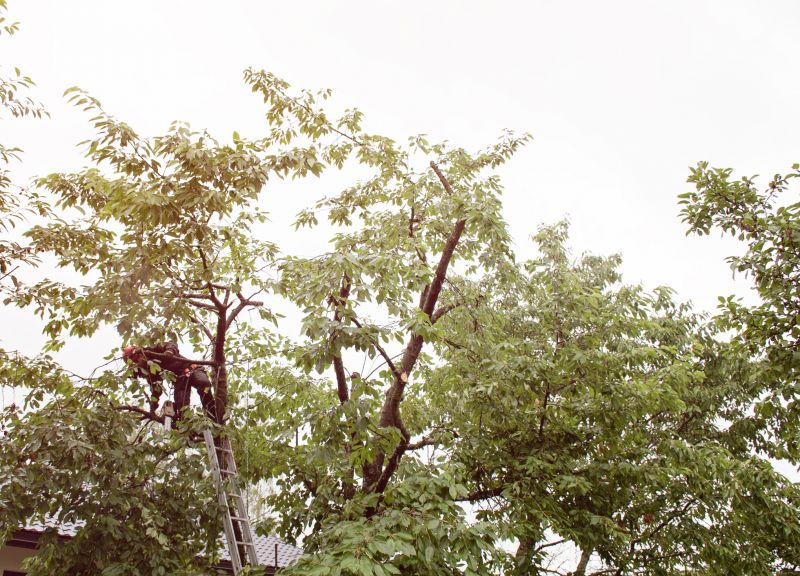
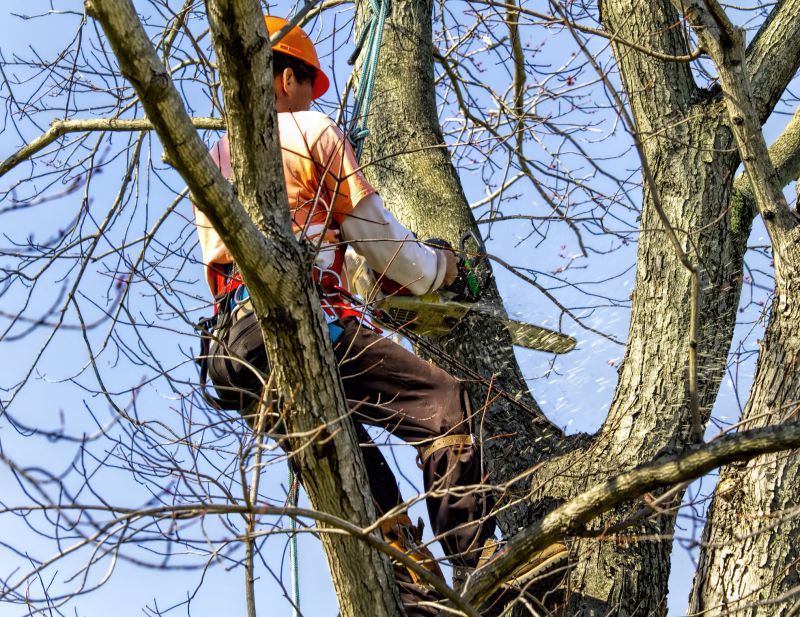
Tree canopy thinning in Stuart, FL, involves selectively reducing the density of tree branches and foliage to improve air flow, light penetration, and overall tree health. The costs for such projects can vary based on the size and number of trees, the extent of thinning required, and the specific site conditions. Materials and labor costs are also factors that influence the final pricing, which may differ from one project to another.
Final pricing for tree canopy thinning services depends on several variables, including the scope of work, the complexity of the site, and the equipment needed. It is common for costs to fluctuate based on the amount of foliage to be removed, accessibility, and the condition of the trees. Consulting with local professionals can help provide a clearer estimate tailored to the specific needs of each project.
Typical Price Range
$1,200 - $2,800 (smaller scope)
$3,000 - $6,000 (moderate scope)
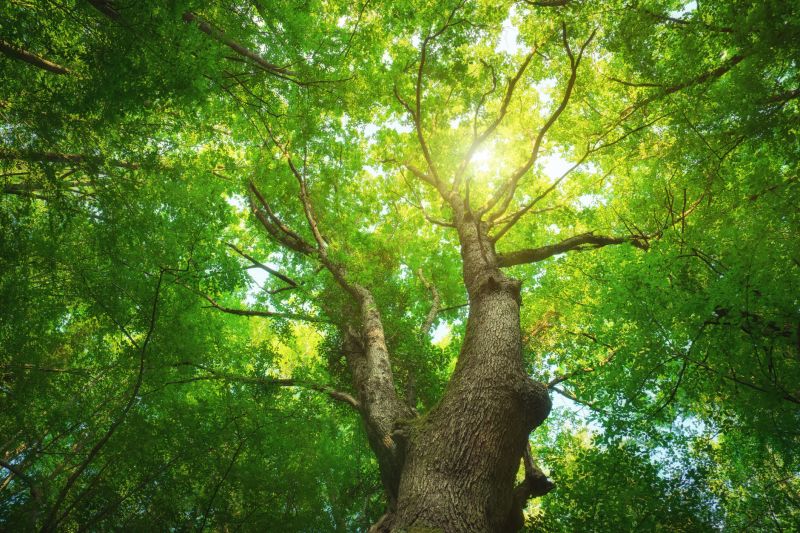
Tree canopy thinning involves selectively removing branches to reduce canopy density, improve light penetration, and promote healthy growth.
Costs vary based on tree size, location, and complexity of the thinning process.
| Project Type | Typical Range |
|---|---|
| Small Tree Thinning | $1,200 - $2,800 |
| Medium Tree Thinning | $2,800 - $4,500 |
| Large Tree Thinning | $4,500 - $6,000 |
| Multiple Trees | $6,000 - $12,000 |
| Stump Removal | $300 - $800 per stump |
| Emergency or Special Access | Varies |
| Land Clearing for Thinning | $8,000 - $15,000 |
Key Cost Factors
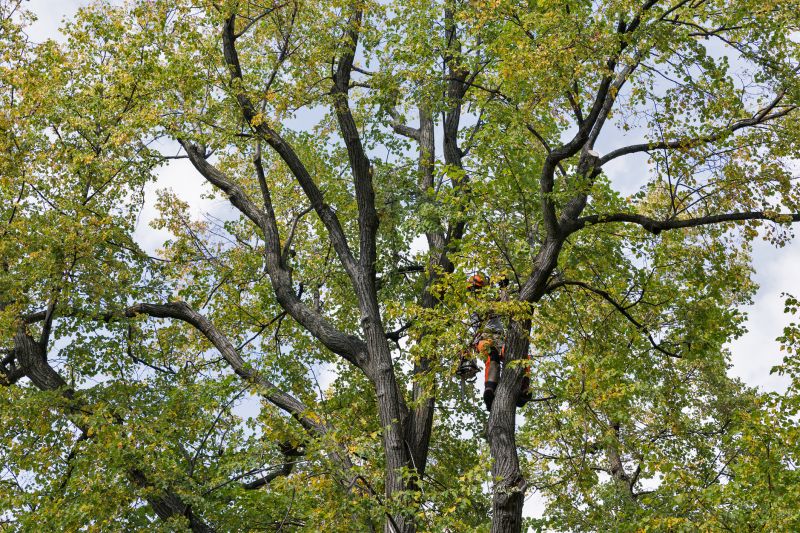
Tree canopy thinning in Stuart, FL, involves selectively reducing the density of tree branches and foliage to improve air circulation, light penetration, and overall tree health. This process can vary in scope depending on the size and type of trees, as well as the desired outcomes for the landscape. Understanding typical project considerations can help in planning and budgeting for canopy thinning services.
- Materials: Usually includes pruning tools, safety gear, and disposal supplies; no specialized or heavy materials are typically required.
- Size and scope: Ranges from small, individual trees to larger clusters, influencing the extent of thinning and equipment used.
- Labor complexity: Varies depending on tree height, density, and accessibility, with more complex jobs requiring skilled pruning techniques.
- Permitting: May require local permits if the work affects protected or heritage trees, or if regulations specify tree work restrictions.
- Extras: Additional services such as debris removal, stump grinding, or health assessments can be included as optional add-ons.
Size and Scope
| Scope/Size | Typical Range |
|---|---|
| Small Canopies (up to 10 ft diameter) | 1-3 branches per tree |
| Medium Canopies (10-20 ft diameter) | 3-5 branches per tree |
| Large Canopies (over 20 ft diameter) | 5-10 branches per tree |
| Extent of Thinning | 25-50% of canopy |
| Frequency of Thinning | Every 3-5 years |
In Stuart, FL, canopy thinning practices should consider local tree species and urban landscape needs to ensure healthy growth and safety.